Spanning the Mid-Atlantic Ridge across the triple junction of the North American, Eurasian, and African tectonic plates, the nine islands of the Azores represent one of the most volcanically volatile and ecologically pristine frontiers on the planet.
The Geothermal Wonder of Ponta da Ferraria
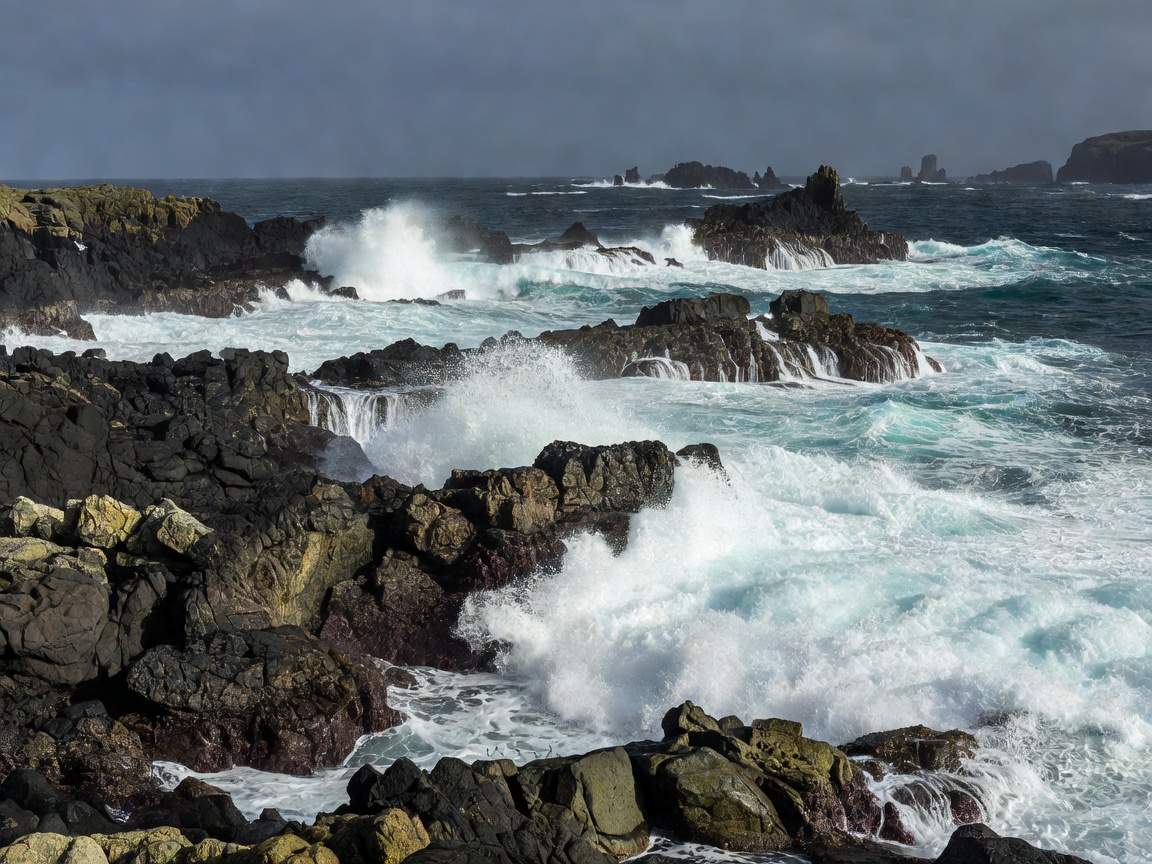
On the westernmost claw of São Miguel lies Ponta da Ferraria, a geological marvel where molten lava historically flowed directly into the Atlantic ocean, cooling into a craggy basalt promontory and a natural sea-water swimming pool.
Unlike inland hot springs, Ponta da Ferraria is heated by sub-surface geothermal vents beneath the ocean floor. At low tide, the surge of cold ocean water diminishes, allowing mineral-rich 50°C geothermal water to blend with the surf, producing a natural bathing pool with temperatures averaging between 28°C and 34°C. Ropes anchored into the basalt bedrock provide bathers with stability as ocean swells gently roll over the volcanic perimeter.
Flores: The Island of Cascading Ocean Cliffs
Further west lies Ilha das Flores, an official UNESCO World Biosphere Reserve that represents the westernmost territory of Europe. Here, the landscape is defined by sheer green basalt cliffs draped in endemic Laurisilva rain forests, pierced by countless waterfalls that plunge directly into the roaring Atlantic ocean.
At Poço da Ribeira do Ferreiro, hikers witness twenty distinct ribbons of mountain water tumbling over a 300-meter wall of basalt into a silent, mirror-like lagoon. Continuing around the coastline, the islets of Ilhéu de Monchique mark the exact geographical dividing point between the European and American tectonic regimes.
Marine Megafauna Corridors
The ocean trenches surrounding the Azores plunge to depths exceeding 2,000 meters within just a few kilometers from shore. These abyssal drop-offs generate powerful oceanic upwellings that bring nutrient-dense plankton to the surface, creating a feeding sanctuary for over a third of all known whale and dolphin species on Earth.
Between March and June, migrating Blue Whales, Fin Whales, and Sei Whales transit the channel between Pico and São Jorge, offering some of the most ethical and ecologically sound marine observation opportunities globally.
Plan Your Azorean Ocean Journey
Access private inter-island yacht charters, volcanic hot spring permits, and certified marine biologist guides.
Inquire with Azores Concierge